Otoshi in Japan: What the Unordered Izakaya Dish Costs, Why It's There, and Can You Say No?
Otoshi (called tsukidashi in Osaka) is a small dish plus a per-person charge at many izakaya. What it costs, how it shows on the bill, whether you can refuse it, what to do about allergies, and which places don't have one.
A small dish lands in front of you that nobody ordered. It isn’t a mistake, and it isn’t free. Here’s what’s going on, from a team that runs a restaurant in Osaka (one that, for the record, doesn’t serve it).
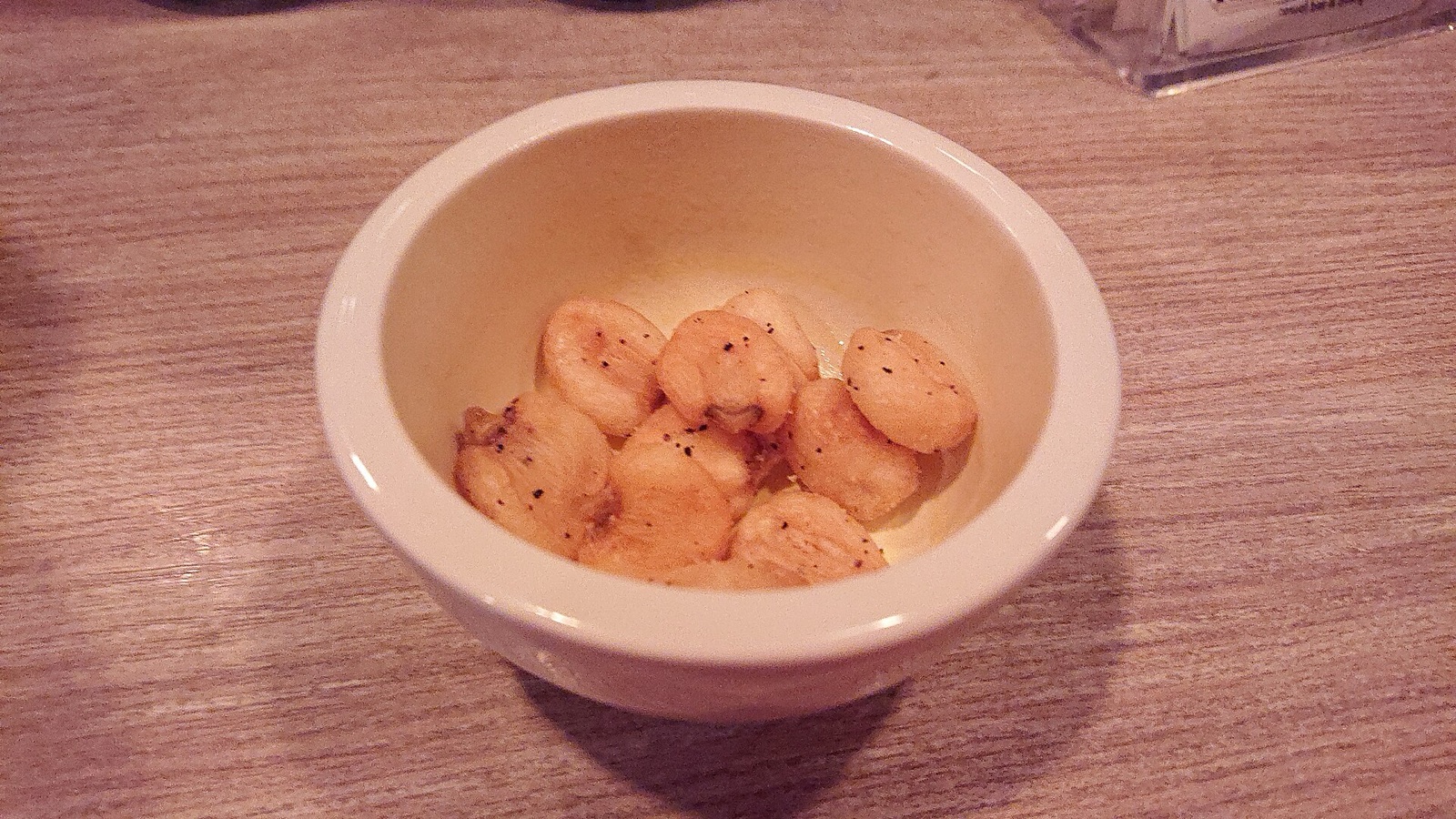

The 30-second answer:
- Otoshi (お通し) is a small dish that many izakaya (Japanese pubs) bring automatically, one per person, usually with your first drink. In Osaka and the rest of Kansai you’ll also hear it called tsukidashi (突き出し). Either way, it’s charged per person on the bill. It’s a cover charge, served as food.
- It costs a few hundred yen a head. In a 2023 survey of restaurant operators, ¥300–399 was the most common price. Some places charge more.
- It’s not a scam and not a mistake. JNTO, Japan’s national tourism organisation, describes it as a mandatory appetizer that works as a type of cover charge.
- Can you refuse it? That depends on the shop. Ask before it arrives, and the door is the best place to ask. After you’ve eaten it, pay.
- Allergies: say so before the dish lands. Restaurants in Japan aren’t legally required to give allergen information.
- Spotting it: look for お通し, 突き出し, チャージ (charge) or 席料 (seat charge) in the small print of the menu, or just ask. Ticket-machine ramen shops, conveyor-belt sushi, cafés and family restaurants normally don’t charge one, and nor do some izakaya chains.
What exactly is otoshi, and why is it “tsukidashi” in Osaka?
Otoshi is the small starter you get at the beginning of the evening without choosing it. The Japanese encyclopedia Nipponica defines it as a small amount of food, suited to go with drinks, that comes out first. It also notes that otoshi is the Kanto (Tokyo-area) name, while in Kansai it’s tsukidashi or sakizuke. In Osaka you’ll hear both words, and plenty of menus here print お通し. They mean the same thing.
What turns up varies by shop and season: a spoonful of simmered vegetables, a little salad, pickles, edamame, a few bites of something from the day’s menu. You don’t choose it, and it usually arrives with, or just after, your first drink.
The part that confuses visitors isn’t the food. It’s the line on the bill, because nobody ordered it.
Why do restaurants serve it? The view from our side of the counter
Short answer: it pays for the seat and buys the kitchen a few minutes. From the restaurant side, it does three jobs.
- The first five minutes. A group sits down and everyone orders drinks at once. The otoshi puts food on the table straight away while the kitchen works through the first orders.
- The seat itself. Izakaya dishes are often priced low and portions are small. A small bar with a dozen seats has to cover its rent per seat, per evening. A per-person charge means a table that nurses two beers for two hours still pays its way. If you’ve seen coperto (the cover charge) on a bill in Italy, it’s the same idea.
- A first impression. At a good izakaya, the otoshi is the chef’s opening move, often made with whatever is in season. It’s the first thing you taste, so it’s the first thing you judge the place by.
That said, it’s a choice each restaurant makes, not a rule. In a 2023 survey by the restaurant-trade site Inshokuten.com, 272 operators said their type of business could involve extra charges. Of those, 38.2% said they bill an otoshi, 28.7% a seat charge, 15.1% a service charge, and 29.4% none of them. One operator explained switching from otoshi to a plainly labelled seat charge because of customers who said they didn’t want it and foreign visitors who don’t know the custom.
Our own restaurant is a yakiniku (Japanese barbecue) restaurant in Osaka, and it does not serve otoshi: no automatic dish, no cover charge. So you can’t assume either way. You have to check each place.
How much does otoshi cost, and how does it show on the bill?
Expect a few hundred yen per person. In that 2023 survey, operators who serve an otoshi gave these prices:
| Otoshi price per person | Share of shops serving otoshi (2023) |
|---|---|
| ¥200–299 | 11.5% |
| ¥300–399 | 40.4% |
| ¥400–499 | 14.4% |
| ¥500–599 | 21.2% |
| ¥600–699 | 5.8% |
Compared with the survey’s 2018 edition, the share charging ¥300–399 had shrunk and the ¥400+ bands had grown, and about a fifth of these shops said they had raised the price in the past year. The figures are from 2023, so expect the upper end rather than the lower.
One chain publishes its price: the Kushikatsu Tanaka FAQ says it charges ¥319 per person including tax (¥290 before tax) to every customer aged 20 or over, whether or not they drink alcohol. For that you get a set of cabbage and sauce, and you can ask for more cabbage. If kushikatsu is on your list, here’s how the shared sauce works.
On the bill, look for one line multiplied by the number of people. It might read お通し, お通し代 (otōshi-dai, “otoshi fee”), 突き出し or チャージ, for example “お通し ×3”. The bill usually arrives face down and you pay at the register by the door.
Under National Tax Agency rules, any price a shop shows you in advance must include consumption tax. If the menu says ¥330 for the otoshi, you pay ¥330.
Otoshi isn’t the only extra you might see. These are the ones to recognise:
| What it’s called | On the sign or bill | What you pay |
|---|---|---|
| Otoshi / tsukidashi | お通し・お通し代・突き出し | A small dish plus a per-person charge |
| Seat or table charge | 席料 (sekiryō)・チャージ・テーブルチャージ | A per-person charge with no dish, common in bars |
| Service charge | サービス料 | A percentage added to the bill, more common at upmarket places and hotels |
| Late-night surcharge | 深夜料金 (shin’ya ryōkin) | Extra after a set hour at some izakaya; JNTO’s etiquette page mentions this alongside otoshi |
Can you refuse otoshi?
Sometimes. Ask before it arrives, not after. Each shop sets its own policy. Some will happily leave it off. Many will tell you it’s their seat charge and isn’t optional. That’s their pricing, in the same way a menu price is.
The way to handle it:
- Ask at the door or as you sit down: “Otōshi wa arimasu ka?” (“Is there an otoshi?”) and “Ikura desu ka?” (“How much?”).
- If you don’t want it: “Otōshi nashi de daijōbu desu ka?” (“Is it OK without the otoshi?”).
- If they say it can’t be dropped, you can thank them and leave before ordering. That’s a normal thing to do.
What not to do: eat it and then argue at the register. By the time it reaches you it’s already plated and can’t go to another table. From our side of the counter, that’s the one version of this conversation nobody wins.
Policies for non-drinkers and children vary by shop too. Kushikatsu Tanaka, as above, charges everyone aged 20 and over, drinking or not. If it matters, ask.
What if you have allergies or dietary restrictions?
Tell the staff before the otoshi arrives, and ask what’s in it. Some places can swap it or leave it off, but don’t count on it.
According to the Consumer Affairs Agency’s July 2026 leaflet on eating out with food allergies (in Japanese), restaurants are not legally required to provide food-allergy information. The leaflet also says:
- Accidental cross-contamination during cooking is hard to prevent completely.
- Staff turn over quickly, and a server’s “it’s not in there” may not be reliable. Ask someone in charge.
- The final decision on what’s safe to eat should be yours, not the shop’s.
The same agency publishes a free English food allergy communication sheet. It has pictograms for 29 allergens with their Japanese names, and you can save it to your phone and show it to staff.
For vegetarians, note that a dish that looks like plain vegetables is very often seasoned with dashi, a stock very often made with bonito fish flakes. If that matters to you, the otoshi is the dish to ask about first, because you didn’t get to read a menu description for it.
How do you spot otoshi before you sit down?
Read the small print on the menu outside, or ask. Official guidance tells restaurants to make this clear:
- A visitor-reception manual from the Transport Ministry’s Hokkaido bureau tells restaurants that otoshi doesn’t exist abroad and can cause complaints at payment. It says to show the explanation and the price alongside taxes and service charges.
- Tokyo’s restaurant-trade guidance centre tells shops to list charges (席料, お通し代, サービス料) on the menu or post them in the shop, because visitors may refuse to pay something they didn’t know about in advance.
Plenty of places follow this guidance, and plenty don’t. So:
- Check the bottom of the menu board or the inside cover of the menu for お通し, 突き出し, チャージ or 席料 with a price next to it. English menus may say “cover charge”, “table charge”, “seat charge” or “appetizer charge”.
- A sign at the entrance sometimes states the policy outright, such as お通しなし (“no otoshi”) or チャージなし (“no charge”). Those are worth looking for.
- If you can’t see anything, ask. It takes five seconds at the door and saves a surprise at the end.
Which restaurants don’t serve otoshi?
Anywhere you order and pay per item without settling in to drink normally won’t have one. Living in Osaka, these are the categories where we don’t expect one:
- Ticket-machine shops: most ramen, udon, soba and gyudon places. You pay for exactly what you choose.
- Conveyor-belt sushi, cafés, fast food and family restaurants.
- Takoyaki stands and street food. A sit-down takoyaki bar can be a different story, as our Osaka food guide notes.
- Some izakaya chains that make it a selling point. Torikizoku, the yakitori chain with the yellow signs, states on its official site that it charges no otoshi, no seat charge and no late-night fee.
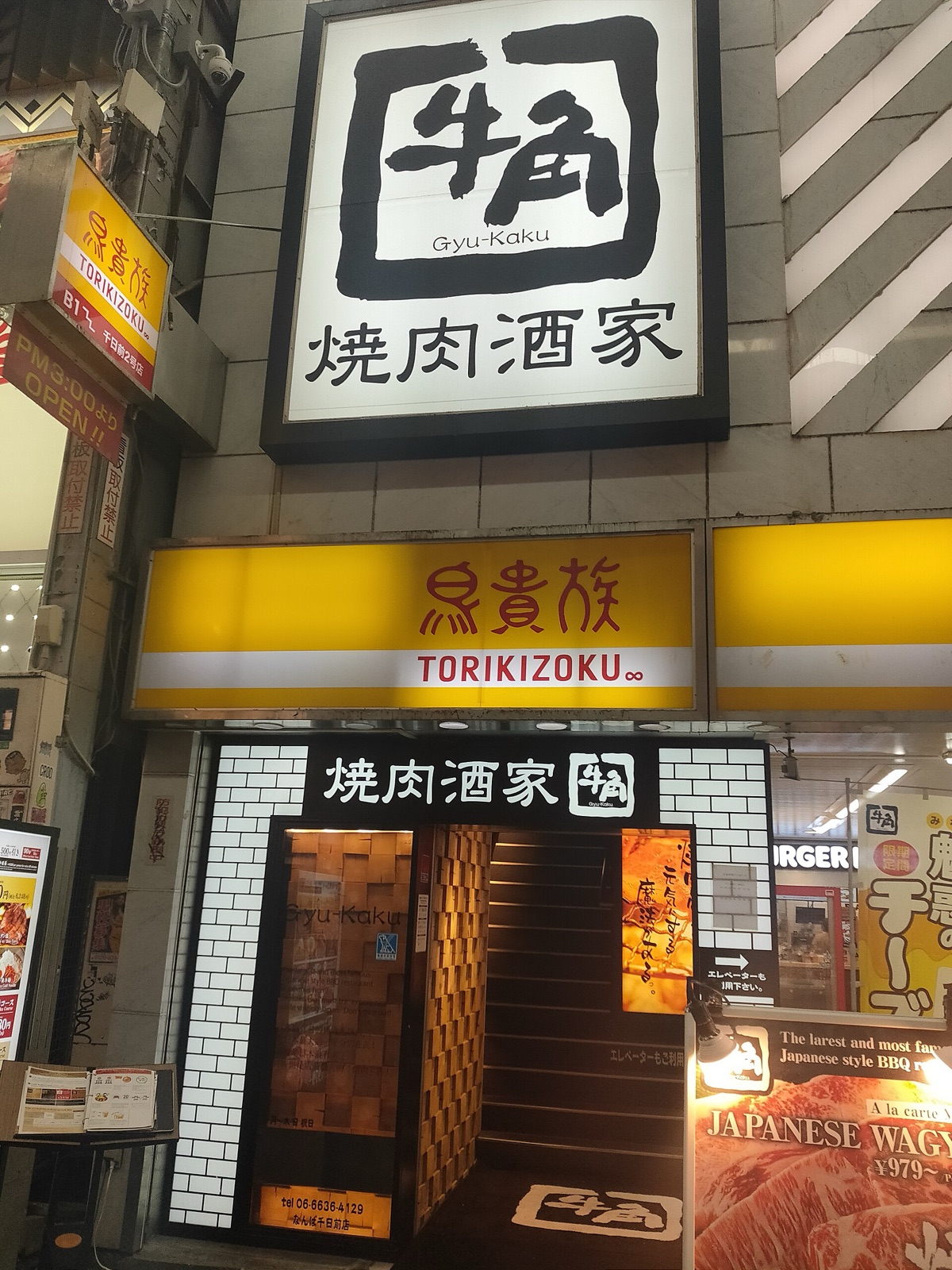

Where it varies, so check: yakiniku, kushikatsu and okonomiyaki restaurants that also work as drinking places. Our yakiniku place doesn’t charge one, while Kushikatsu Tanaka does.
Where it’s built into the price: at a kaiseki (multi-course) meal or an omakase counter, the small first course (sakizuke) is part of the set price, not an extra.
Where you’ll pay a charge instead: many bars, especially small ones and hostess-style lounges, charge a seat or table charge (チャージ) that may come with a few nuts or with nothing at all. Ask before you sit.
The honest truth about otoshi
It adds up if you bar-hop. A night of short stops in Ura-Namba or Tenma can mean an otoshi or seat charge at every stop. For example, three bars × two people × ¥400 is ¥2,400 before anyone has a drink. If you’re planning a crawl, either budget for it or mix in places that don’t charge one.
Who should go to the no-otoshi places: tight budgets, picky eaters, people with serious allergies who’d rather not negotiate every time, and anyone who wants just one quick drink.
The common mistake: finding out at the register. Arguing about a ¥400 line after eating it rarely goes well, for you or the shop. The fix is a five-second question at the door.
And the upside: at a good izakaya, the otoshi is often one of the best things you eat all night. It’s what the kitchen chose to cook that day, not something pulled from a menu. If the place looks good and the price is printed, eat it and enjoy it. Want the rest of the unwritten restaurant rules? Start here.
FAQ
What is otoshi at a Japanese izakaya? Otoshi (お通し), called tsukidashi (突き出し) in Osaka and the rest of Kansai, is a small dish served automatically when you sit down and order a drink. It’s charged per person on the bill. Think of it as a cover charge served as food.
How much does otoshi cost in Japan? Usually a few hundred yen per person. In a 2023 survey of restaurant operators by Inshokuten.com, the most common otoshi price was ¥300–399 (40.4% of shops that serve one), and about a fifth charged ¥500–599. Some places charge more.
Can you refuse otoshi in Japan? Sometimes. Each shop sets its own policy. Ask before the dish arrives, ideally at the door. Some shops will leave it off, while many will tell you it is their seat charge and can’t be dropped. Once you’ve eaten it, pay for it.
Is otoshi a scam? No. It’s a normal pricing custom at many izakaya, and JNTO (the Japan National Tourism Organization) calls it a mandatory appetizer that works as a type of cover charge. Official guidance for restaurants tells shops to explain it and show the price in advance, because visitors don’t expect it.
What if I’m allergic to something in the otoshi? Tell the staff before the dish arrives and ask what’s in it. Japanese restaurants are not legally required to provide allergen information. The Consumer Affairs Agency advises asking a responsible staff member, and its free English food allergy communication sheet helps.
Which restaurants in Japan don’t charge otoshi? Places where you order and pay per item without sitting down to drink: ticket-machine ramen and gyudon shops, conveyor-belt sushi, cafés, fast food and family restaurants. Some izakaya chains don’t charge it either: Torikizoku says it charges no otoshi, seat or late-night fee.
Prices and policies checked against official sources in October 2026. They change, so confirm at the door before you sit down. Written by a Kansai-based team that includes people who run a restaurant in Osaka.