17 Things That Confuse First-Timers in Japan — and How to Not Look Lost
Otoshi, meal-ticket machines, no tipping, the airport-name trap — the unwritten rules nobody explains, from a team that runs a restaurant in Osaka.
Written by a team that lives and runs a restaurant in Osaka — so some of this is from the other side of the counter.
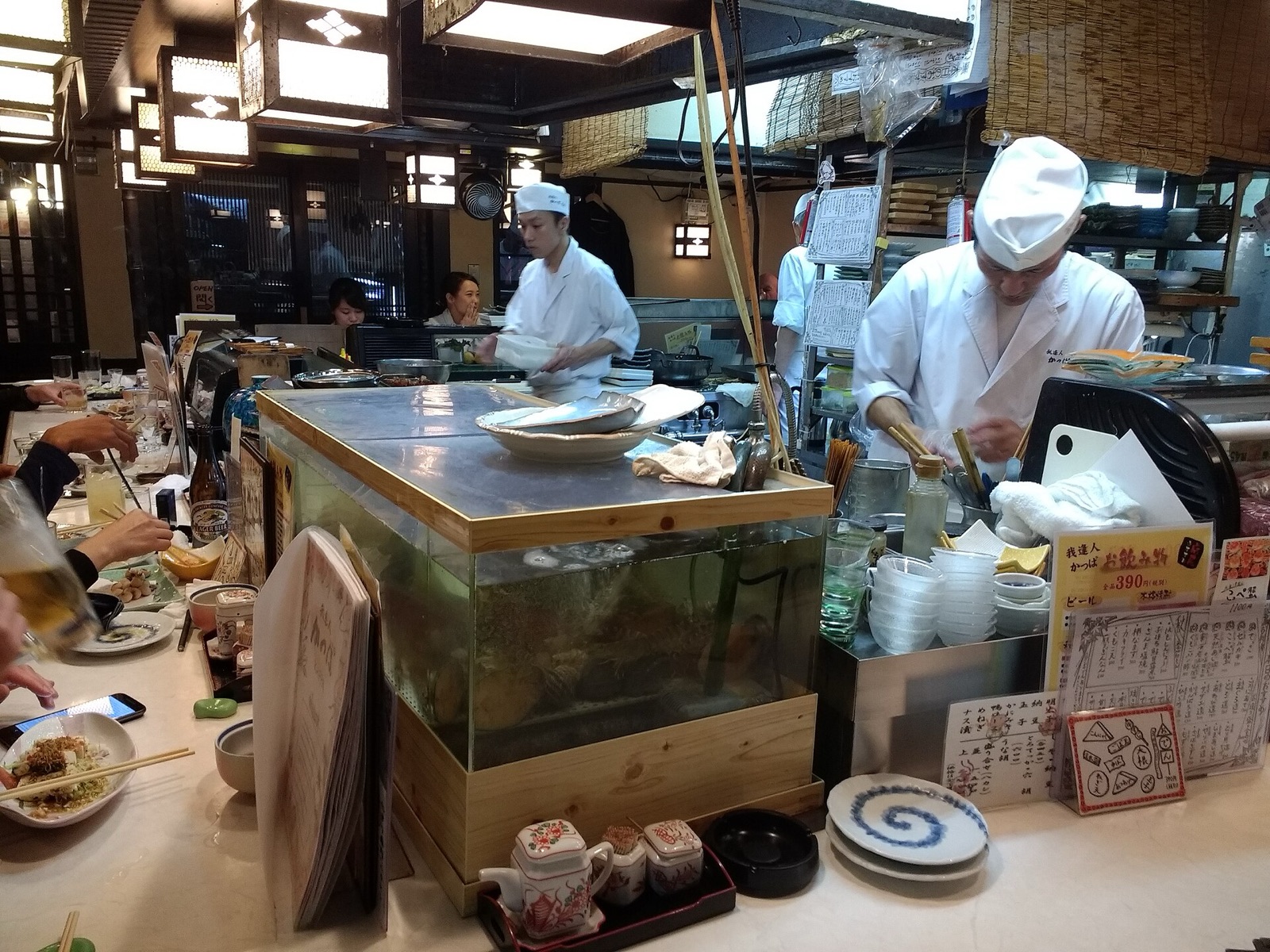

Japan is one of the easiest countries in the world to travel in. It’s clean, safe, and people will go out of their way to help you. But there’s a layer of unwritten rules that nobody explains until you’ve already tripped over them — usually in a restaurant, a train station, or at the cashier.
Here’s what actually catches people out, why it happens, and how to handle it like you’ve done it before. We’ve split it into “so you don’t get confused” and “so you actually enjoy it more.”
Part 1: So you don’t get caught off guard
1. That little dish you didn’t order isn’t a mistake (or a scam)
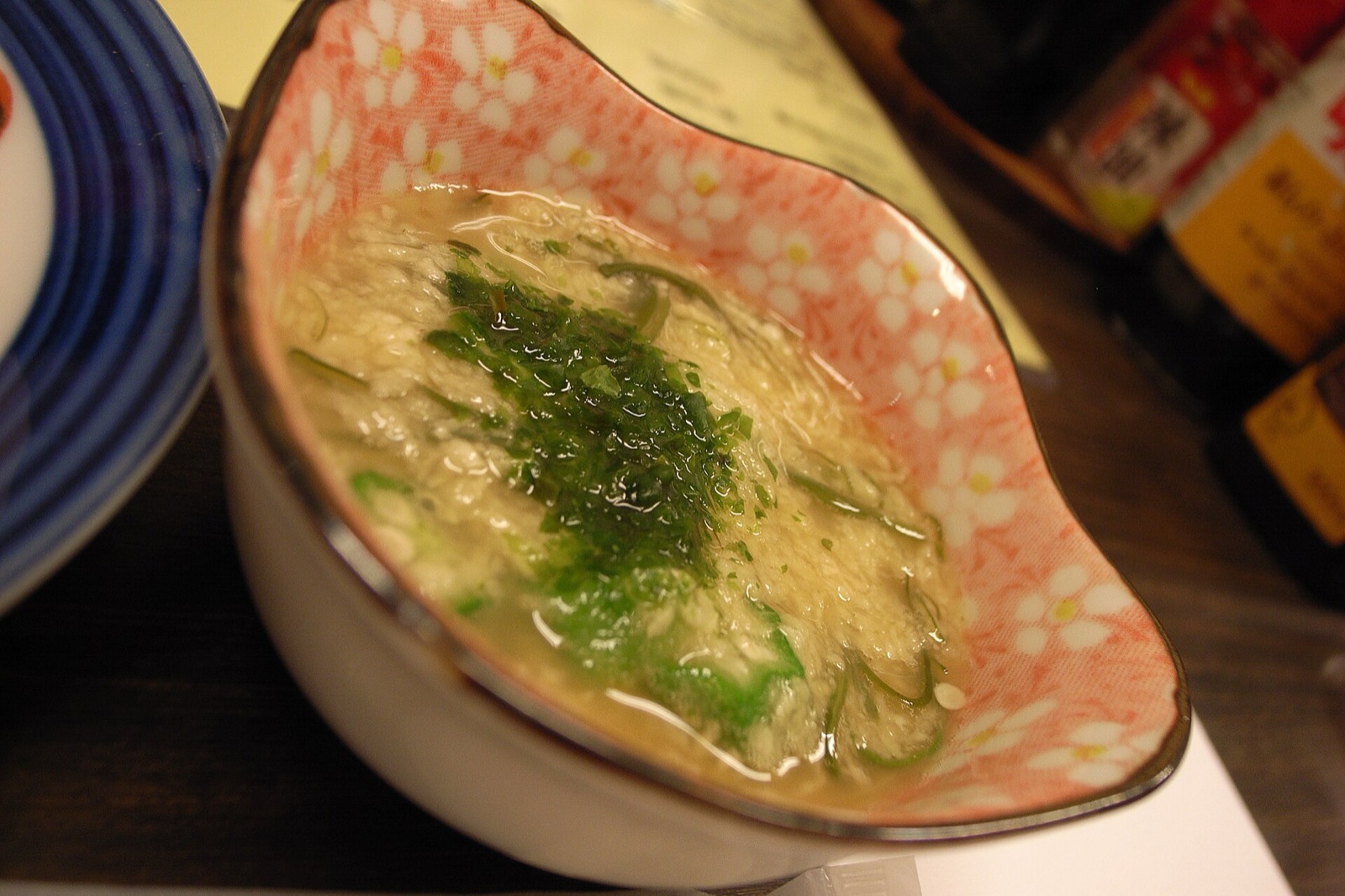
You sit down at an izakaya, and a small plate of something arrives that you never ordered. This is otoshi — a small appetizer that comes automatically, usually when you order a drink. It’s not free, and it’s not a scam. Think of it as a small seating/cover charge, typically a few hundred yen, served as food. It’s completely normal. Just eat it; it’s often genuinely good. (What it costs, whether you can say no, and what to do about allergies: otoshi explained.) (Hungry for more Osaka-specific food rules? We wrote a whole guide.)

2. Nobody is coming to take your order
In many places, the staff will not drift over to check on you. You’re expected to call them. Say “sumimasen” (excuse me) clearly across the room, or press the call button on the table if there is one. Western visitors often feel rude doing this — don’t. It’s the normal, expected way, and the staff would rather you call than sit waiting in silence.
3. Your food won’t all come out together
Order as a group and the dishes arrive whenever each one is ready — not all at once. One person might be halfway through their meal before another’s even arrives. The kitchen isn’t ignoring you; serving each dish at its peak is the point. Relax and share as things land.
4. Cash is still king — carry some
Japan feels high-tech, but plenty of small restaurants, temples, and local shops are cash-only. Big ¥10,000 notes can be awkward on buses or at tiny shops. Carry some cash daily, keep a few ¥1,000 notes handy, and use a 7-Eleven ATM to withdraw with a foreign card.
5. You pay at the front, not the table
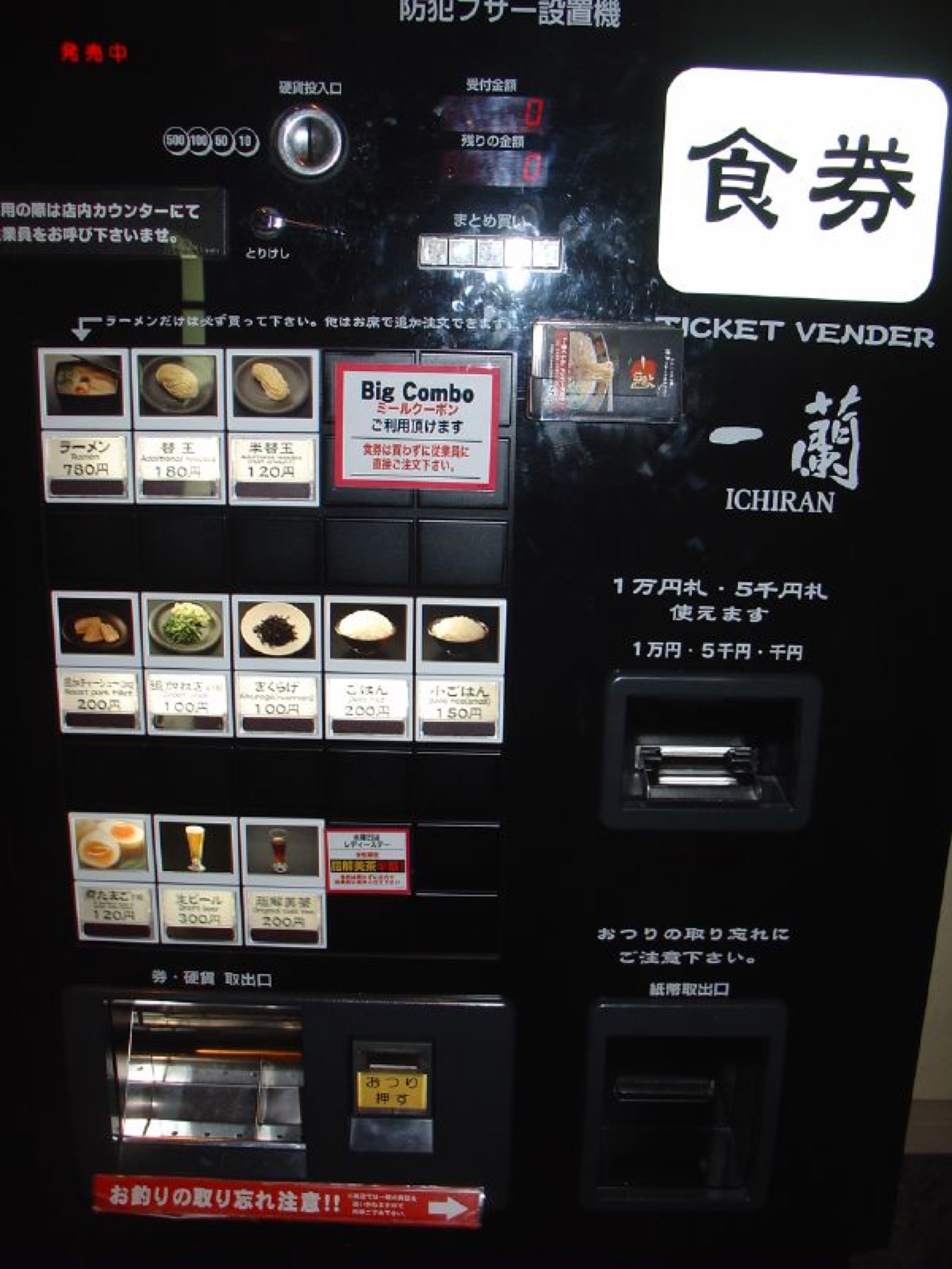
In most restaurants, the bill is placed face down on your table, and you carry it to the cashier near the exit to pay — you don’t pay at the table. At cheaper ramen and gyudon spots, it’s the opposite end of the process: you buy a meal ticket from a vending machine by the door first, then hand it to the staff.

6. There are almost no public trash cans
You’ll walk a long way without seeing a bin. People carry their trash home. Keep a small bag in your backpack for wrappers, and dump it back at your hotel or a convenience store.
7. Don’t drag your suitcase everywhere — ship it
Hauling two big suitcases up subway stairs is a rite of passage nobody enjoys. Use a luggage forwarding service (takkyubin / Yamato) to send bags hotel-to-hotel for around ¥2,000 a bag, and travel between cities hands-free.
8. “Osaka International Airport” is not the international airport
A genuine trap: Itami (ITM), officially “Osaka International Airport,” handles domestic flights only. International flights use Kansai International Airport (KIX), ~45 km away. Always check the airport code, not just the city name, when booking flights and transfers. (Tokyo has a version of this too — Narita vs Haneda are far apart.) Once you’ve landed at KIX, here’s how to actually get into Osaka.
9. Trains: local vs express will eat your afternoon
The same line often runs local, rapid, and express trains, and an express may blow right past your stop. Check the train type, not just the line. In mega-stations like Umeda or Shinjuku with dozens of exits, don’t be too proud to ask staff — they’re used to it and genuinely helpful.
10. Take your shoes off — but only when you should
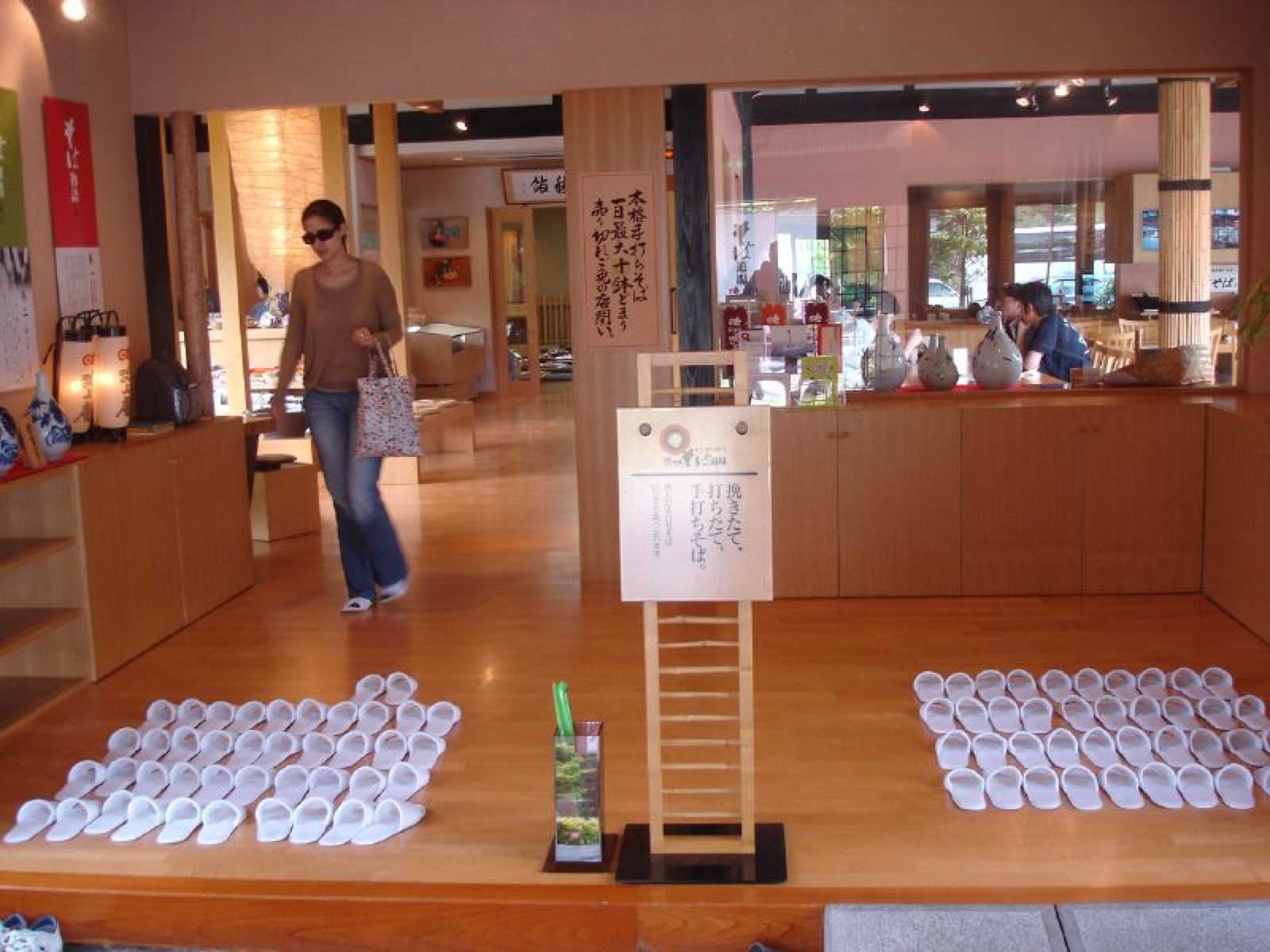
You remove your shoes when entering homes, ryokan, temples (in certain areas), and any place with a raised floor or tatami seating. The cue is usually a step up and a shoe rack or slippers waiting. You do not take them off at most regular restaurants or shops. When in doubt, look down: if there’s a step and slippers, shoes come off.

11. Chopstick moves that quietly horrify people
Two big ones: don’t stick chopsticks upright in a bowl of rice (it’s done at funerals), and don’t pass food chopstick-to-chopstick (also a funeral ritual). Beyond that, nobody expects perfection — and no, you don’t need to hold three chopsticks or do anything fancy. Resting them on the holder or across your bowl is fine. (Chopsticks are also the correct tool for okonomiyaki, whatever the internet says — explained here.)
12. Tattoos can close certain doors
Some onsen (hot springs), public baths, pools, and gyms still refuse entry to visible tattoos, due to historical associations. If you have ink, look for tattoo-friendly onsen, use a cover patch, or book a room with a private bath.
13. Summer is brutal — plan around it
June to August can hit 38°C with 80% humidity. You’ll be drenched walking between sights, which feels especially rough on packed trains. If you can choose, spring and autumn are far more comfortable (and more photogenic).
Part 2: So you actually enjoy it more
14. Slurp your noodles — really
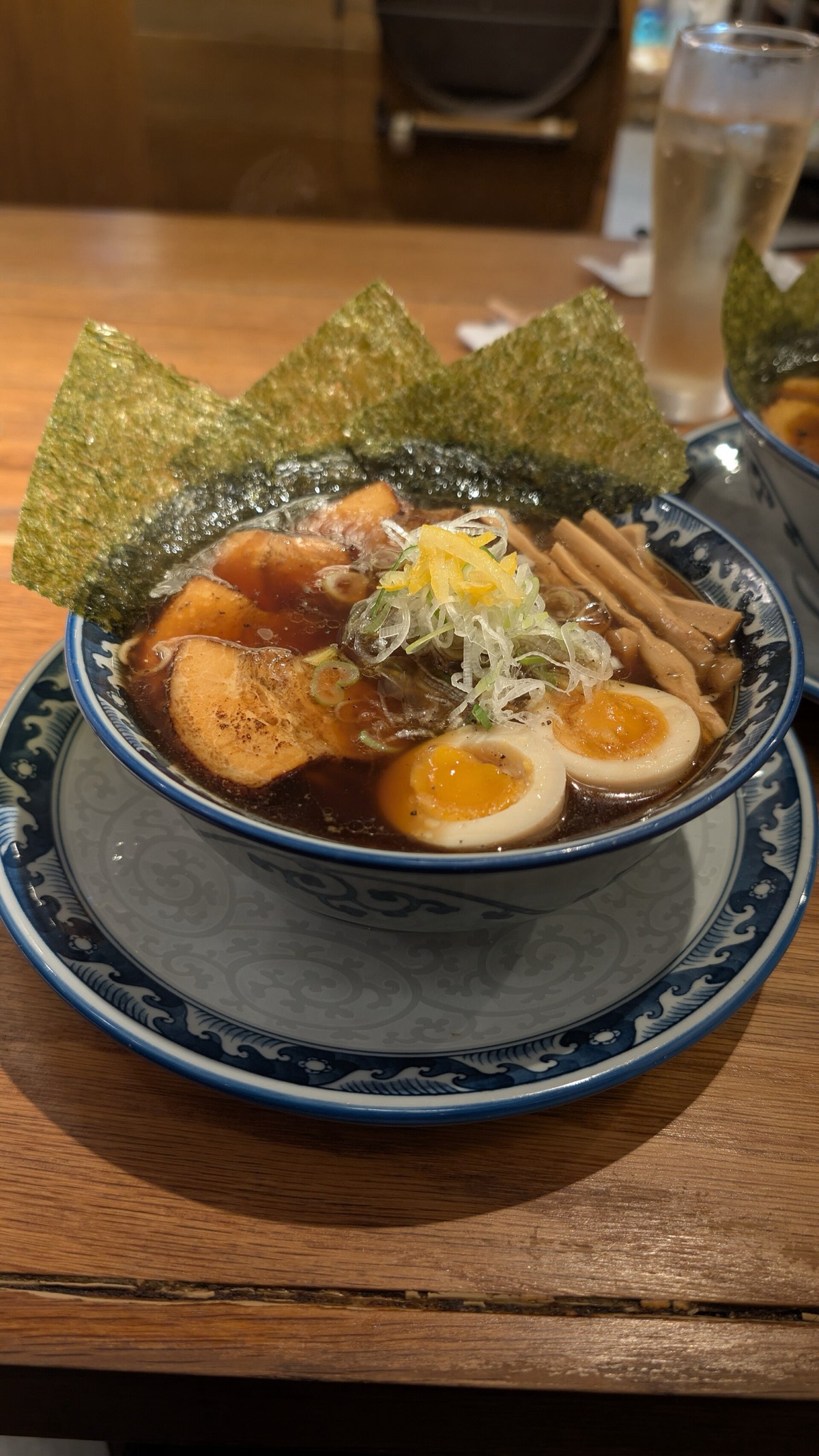
Quietly eating ramen marks you as a tourist more than slurping ever could. Slurping is normal and totally accepted. It also cools the noodles and, some say, tastes better. Let go and slurp.

15. Don’t tip — say thanks instead
There’s no tipping in Japan, and trying to tip can cause real confusion — staff have literally chased people down the street to return money. You’ll get some of the best service of your life without it. Instead, say “gochisosama deshita” (“thank you for the meal”) on your way out. That’s the move.
16. Convenience stores are a genuine highlight
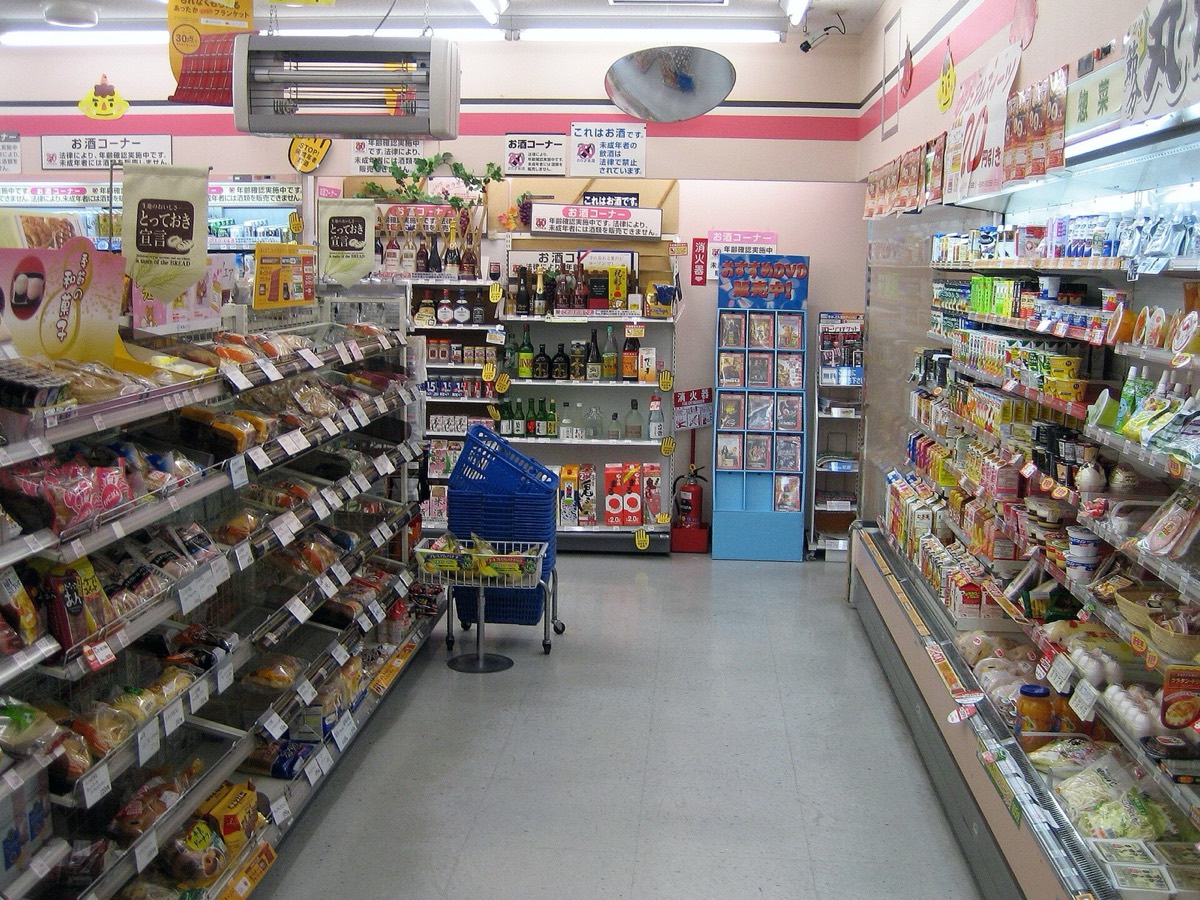
7-Eleven, Lawson, and FamilyMart aren’t sad little shops — they’re excellent. Cheap, genuinely good hot meals, fried chicken from the hot case by the register, fresh sandwiches, decent coffee, ATMs that take foreign cards, and staff who’ll microwave your food. A konbini breakfast in Japan beats a mediocre hotel buffet, and costs a fraction.

17. When you can’t read the menu, two words save you
Stuck staring at a Japanese-only menu? Ask for “osusume” (the recommendation) or, at the right kind of place, “omakase” (chef’s choice). And remember many restaurants in Japan specialize in one thing — a ramen shop does ramen, a tempura shop does tempura — so the “small menu” isn’t a limitation, it’s mastery.
The one mindset that makes all of this easy
Most of these “rules” aren’t tests you can fail — they’re just different defaults. People here are forgiving with visitors; nobody expects you to know that upright chopsticks are taboo or that otoshi is coming. Learn the handful that genuinely matter (the funeral chopstick moves, the airport codes, carrying cash), relax about the rest, and you’ll have a smoother, richer trip than most.
And from the restaurant side of the counter: the visitors we love aren’t the ones who do everything perfectly. They’re the ones who try a word of Japanese, call us over with a smile, and dig into the otoshi without worrying about it.
Written by a Kansai-based team — including people who run a restaurant here — so you get the view from both sides of the counter.